Carrot Miso Soup | Rice Life Foodie

This carrot miso soup recipe is so natural, healthy, easy, and packed with simple ingredients. Steamed carrots meet miso paste with onion, tomato, ginger, garlic, and broth, then gently simmered until velvety with a savory, mildly sweet flavor. This soup glows…and makes me feel glowing from the inside out!

Man, I impress myself with this miso carrot soup. The stunning orange color screams eat me, while balanced and umami flavor is both nourishing and satisfying.
You can make it vegan with vegetable broth or use chicken broth for a slightly richer savory flavor!
The best part? You don’t need cream to make this carrot soup silky. The carrots do most of the work.
Magic takes place when you steam the carrots… trust me on this one. Don’t boil the carrots if you can avoid it because the steamed carrots stay full of flavor and vitamins.
Using an immersion blender or food processor will make this carrot soup come to life (and make your life easier).
I even make it in batches and freeze some for whenever!
Need a little Asian carrot soup that takes you to the restaurant without having to leave your house? This is it.
Let’s go!

What Is Carrot Miso Soup?
Carrot miso soup is a vegetable soup made mainly with carrots and Japanese miso paste. The carrots provide natural sweetness and body, while miso adds a deep, savory umami flavor. Best of both worlds and an uplifting switch-up from regular miso soup without dashi.
You could actually serve carrot miso soup hot or cold. Both temps work with the flavor of carrot.
Unlike a traditional Japanese miso soup, which often contains a clear broth with ingredients such as tofu and seaweed, this version is a blended carrot soup with miso.
Steaming the carrots first makes them tender enough to blend easily, keeps the nutritional value, boosts the flavor as opposed to boiling, and helps create a naturally creamy texture without adding dairy.
More soups I just can not do without:
What Does Carrot Miso Soup Taste Like?
Carrot miso soup has a savory, slightly sweet, umami flavor because of miso paste with a subtle warmth from ginger and garlic powder.
The carrots provide the sweetness, while miso gives the soup its salty, fermented umami flavor.
The tomato adds a little acidity and depth, and the small amount of ginger and garlic keeps the flavor bright without overpowering the carrots. The carrots still really shine in this recipe.
The finished soup is:
- Savory and umami-rich
- Naturally sweet from the carrots
- Velvety without cream
- Comforting but not heavy at all
- Low calories
- Vegan option
- Gluten free
If you enjoy carrot soup, Japanese flavors, or miso-based dishes, this combination is something you need to try.
Is Carrot Miso Soup Healthy?
Carrot miso soup can be a nutritious addition to a balanced diet and it’s low cal.
This recipe is made primarily with carrots and a few veggies, broth, and a spoonful of miso.
NO CREAM. NO ADDED FATS.
Carrots provide beta-carotene! I feel like it makes my skin glow and it’s overall an amazing Asian wellness recipe.
One thing to keep in mind is that miso paste and broth can both contain sodium, so taste the soup before adding the salt and adjust accordingly.
For a vegan carrot miso soup, use vegetable broth.

What Type of Miso Should You Use?
For this carrot miso soup, white or yellow/brown miso is my first choice. I really love miso recipes, so I use brown miso which is in the middle for flavor and salt.
White miso has a very mild, slightly sweet flavor that works beautifully with naturally sweet carrots. It adds umami without overwhelming the soup. Good choice if you new to miso and you can easily find it at Trader Joe’s and lots of store.
You can also use:
Yellow miso: A little more savory while still relatively mild.
Red miso: Stronger, deeper, saltier, and more intensely fermented. It makes a bolder soup and can overpower the delicate sweetness of the carrots if you use too much.
Carrot Miso Soup Ingredients
- 4 medium carrots, peeled and steamed – Carrots are the star of the soup. Steaming them before blending makes them tender and helps create a smooth texture.
- 1/2 onion – Onion provides sweetness and savory depth.
- 1 small tomato – Tomato adds subtle acidity and rounds out the flavor.
- 1 1/2 tablespoons miso paste – Miso gives the soup its signature savory umami flavor.
- 1/4 teaspoon ginger powder – Just enough ginger to add warmth without making the soup taste strongly of ginger.
- 1/4 teaspoon garlic powder – Adds savory depth and makes the soup taste more developed.
- 1 teaspoon avocado oil – Used to gently cook the onion and tomato.
- 1/4 teaspoon sea salt, plus more to taste – Add this gradually because the miso and broth may already contain quite a bit of sodium.
- 2 1/2 cups low-sodium broth – Use vegetable broth for vegan carrot miso soup or chicken broth for a richer, more savory version. Low sodium helps control salt level.
Garnish
Equipment
You’ll need:
- Heavy-bottom soup pot or Dutch oven
- Wooden mixing spoon
- Wire mesh strainer
- Pot with steaming basket and lid
- Cutting board
- Chef’s knife
- Measuring spoons
- Immersion blender or food processor
A heavy-bottomed pot is particularly useful because it distributes heat evenly and helps prevent the onion and tomato from scorching and you don’t want to burn or overcook the miso paste.
How to Make Carrot Miso Soup
- Steam the carrots: Peel and cut carrots into smaller pieces. Steam for 14 minutes, or until fork-tender. Do not overcook… once the fork goes through smoothly, they are done. Set aside.
- Heat avocado oil in a heavy-bottomed pot over medium heat. Add onion and tomato and cook until softened. Do not brown or burn.
- Add steamed carrots, miso paste, ginger powder, garlic powder, and 1 cup of the broth… keeping the remaining broth to the side. Stir and cook for 2 minutes.
- Blend: Use an immersion blender or food processor to blend until smooth.
- Return to the pot if needed. Add the remaining 1 1/2 cups broth. Taste, then add the 1/4 teaspoon sea salt if you like. Stir and taste, adding more salt if needed.
- Cook over low heat for 5–8 minutes, stirring occasionally. Do not bring to a hard boil.
- Strain (optional): For a smoother soup, press the soup through a wire mesh strainer using the back of a wooden spoon. Strain a few times or strain the entire soup for an ultra-smooth texture.
- Serve: Ladle into bowls and garnish with black pepper and sliced scallions.
Best Tips
- Add more broth if you want a lighter consistency.
- Be sure the carrots are tender and don’t sear the onion or tomato to avoid bitterness.
- Use low-sodium broth and add salt at the end.
- Blend while the vegetables are warm for the smoothest consistency.
- Strain the soup for a silky texture. Even a few passes through a fine-mesh strainer make a noticeable difference.
- Don’t boil the soup hard. Keep it at a low and gentle simmer after adding the broth.
My Foodie Elevation Tip
For an especially polished bowl, don’t stop at simply blending the soup.
Strain it.
A fine-mesh strainer removes the small carrot fibers that your blender can’t completely break down. The result is a smoother, silkier soup that feels much more restaurant-worthy.
For an even prettier presentation, drizzle a tiny amount of cold pressed olive oil oil over the top and finish with the thinly sliced scallions, freshly cracked black pepper, and even some toasted sesame seeds.
The contrast between the vibrant orange soup and green scallions makes this simple soup look surprisingly elegant.
Add-Ins and Variations
Make It Vegan
Use low-sodium vegetable broth instead of low-sodium chicken broth and make sure your miso paste is vegan.
The rest of the ingredients are plant-based.
Add Coconut Milk
For a richer, creamier variation, replace some of the broth with unsweetened coconut milk.
Start by replacing 1/2 cup of broth with 1/2 cup coconut milk.
The coconut adds richness and gives the soup a slightly tropical flavor that works surprisingly well with carrot and ginger.
Add More Vegetables
This is an easy soup to customize.
Try adding:
- Sweet potato
- Butternut squash
- Cauliflower
- Celery
- Spinach or Bok Choy leaves
- Kale
- Shiitake Mushrooms
Keep in mind that adding more vegetables will change the texture and flavor, so you may need to adjust the broth and seasoning.
Make It Spicy
For heat, add:
- Red pepper flakes
- Add organic fresh ginger
- Chili crisp
- Sriracha
- Fresh chili
- Cayenne
Add Fish Sauce
For a deeper umami flavor, add a very small amount of fish sauce.
Start with 1/2 teaspoon, taste, and add more if needed.
Because fish sauce and miso are both salty, wait until the end to adjust the salt.
This variation is not vegetarian or vegan.
Add Protein
Turn the soup into a more substantial meal by serving it with:
- Tofu
- Shredded chicken
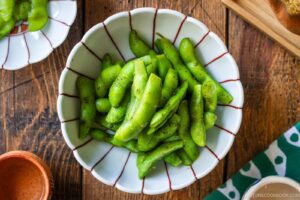
- Edamame
- White beans
- Crispy chickpeas
For a Japanese-inspired meal, crispy tofu makes an especially good pairing.
What to Serve With Carrot Miso Soup
Carrot miso soup makes a great light lunch or starter.
Try serving it with:
Leftovers and Storage
Simply store leftovers in an airtight container in the refrigerator for 2-3 days.
Can You Make Carrot Miso Soup Ahead?
Yes.
The soup can be made ahead and stored in the refrigerator.
Let it cool, then transfer it to an airtight container and refrigerate.
For the best quality and flavor, enjoy it within 3 days.
When reheating, warm it gently over low to medium heat, stirring occasionally (or quick in the microwave). Avoid aggressively boiling the soup.
You may need to add a splash of broth or water because the soup can thicken slightly as it sits.
Can You Freeze Miso Carrot Soup?
Yes. Carrot miso soup freezes well. Transfer it to freezer-safe containers.
Leave some room at the top because liquids expand as they freeze.
Freeze for up to about 2-3 months for the best quality and taste.
Thaw overnight in the refrigerator and reheat gently on the stovetop or microwave.
If the texture changes slightly after freezing, give it a good stir or briefly blend it again.
FAQs
Can I use baby carrots?
Yes. Baby carrots can be used in place of regular carrots. You may need to adjust the amount slightly depending on their size.
Can I roast the carrots instead of steaming them?
Absolutely. Roasting will give the soup a deeper, sweeter flavor because the carrots caramelize as they cook. Be sure to lightly coat them with olive oil so the carrots don’t dry out.
However, steaming is faster, keeps the moisture, and keeps this recipe particularly easy.
Can I make carrot miso soup without a blender?
I could say yes… but it’s not really going to work. It’s going to be a chunky carrot soup if you don’t use an immersion blender or food processor.
Can I use red miso?
Yes. Red miso works, but it has a much stronger flavor. Start with a lesser amount than the recipe states, and add more to taste.
Can I use chicken broth for carrot miso soup?
Yes. Chicken broth gives the soup a deeper savory flavor. Use vegetable broth if you want the soup to be vegan.
Is this carrot miso soup vegan and gf?
It’s GF and can be made vegan. Use vegetable broth and vegan miso. If using chicken broth or fish sauce, the soup will not be vegan.
Why is my carrot miso soup bitter?
The most common issue is burnt or seared vegetables. Keep the onion and tomato from browning or burning by keeping the heat low, and use a mild miso if you want a sweeter, more balanced soup.
Why is my soup too salty?
Miso paste and broth can both contain significant amounts of sodium. Add salt at the end and taste before adding more.
If the soup is already too salty, dilute it with additional unsalted broth or water and add more cooked carrot if necessary.
How do I make carrot miso soup smoother?
Blend the soup thoroughly, then pass it through a fine-mesh wire strainer. For the smoothest result, press all of the blended soup through the strainer using the back of a wooden spoon.
This easy carrot miso soup is the proof that a short and simple ingredient list can make a flavorful bowl of soup.
Sweet carrots, savory miso, aromatic onion, tomato, ginger, and garlic come together to create a creamy soup without needing heavy cream.
Put this on your healthy recipes list today, and if you tried it, I want to know how you enjoyed yours!

- 4 medium carrots peeled and steamed
- ½ onion
- 1 small tomato
- 1 ½ tablespoons miso paste
- ¼ teaspoon ginger powder
- ¼ teaspoon garlic powder
- 1 teaspoon avocado oil
- ¼ teaspoon sea salt
- 2 ½ cups low-sodium broth choose vegetable broth or chicken broth
- black pepper garnish
- scallions garnish

Steam the carrots: Peel and cut carrots into smaller pieces. Steam for 14 minutes, or until fork-tender. Do not overcook… once the fork goes through smoothly, they are done. Set aside.
4 medium carrots
Heat avocado oil in a heavy-bottomed pot over medium heat. Add onion and tomato and cook until softened. Do not brown or burn.
½ onion , 1 teaspoon avocado oil , 1 small tomato
Add steamed carrots, miso paste, ginger powder, garlic powder, and 1 CUP of the broth… keeping the remaining broth to the side. Stir and cook for 2 minutes.
1 ½ tablespoons miso paste , ¼ teaspoon ginger powder , ¼ teaspoon garlic powder , 2 ½ cups low-sodium broth
Blend: Use an immersion blender or food processor to blend until smooth.
- Return to the pot if needed. Add the remaining 1 1/2 cups broth. Taste, then add the 1/4 teaspoon sea salt if you like. Stir and taste, adding more salt if needed.Cook over low heat for 5–8 minutes, stirring occasionally. Do not bring to a hard boil.
¼ teaspoon sea salt
Strain (optional): For a smoother soup, press the soup through a wire mesh strainer using the back of a wooden spoon. Strain a few times or strain the entire soup for an ultra-smooth texture.
Serve: Ladle into bowls and garnish with black pepper and sliced scallions.
black pepper, scallions
Be sure the carrots are tender and don’t sear the onion or tomato to avoid bitterness.
Use low-sodium broth and add salt at the end.
Blend while the vegetables are warm for the smoothest consistency.
Strain the soup for a silky texture. Even a few passes through a fine-mesh strainer make a noticeable difference.
Don’t boil the soup hard. Keep it at a low and gentle simmer after adding the broth.
Nutrition Facts
Carrot Miso Soup
Amount per Serving
% Daily Value*
* Percent Daily Values are based on a 2000 calorie diet.